Ethereum’s Vitalik Buterin Says DAOs Are Broken, Proposes Major Redesign
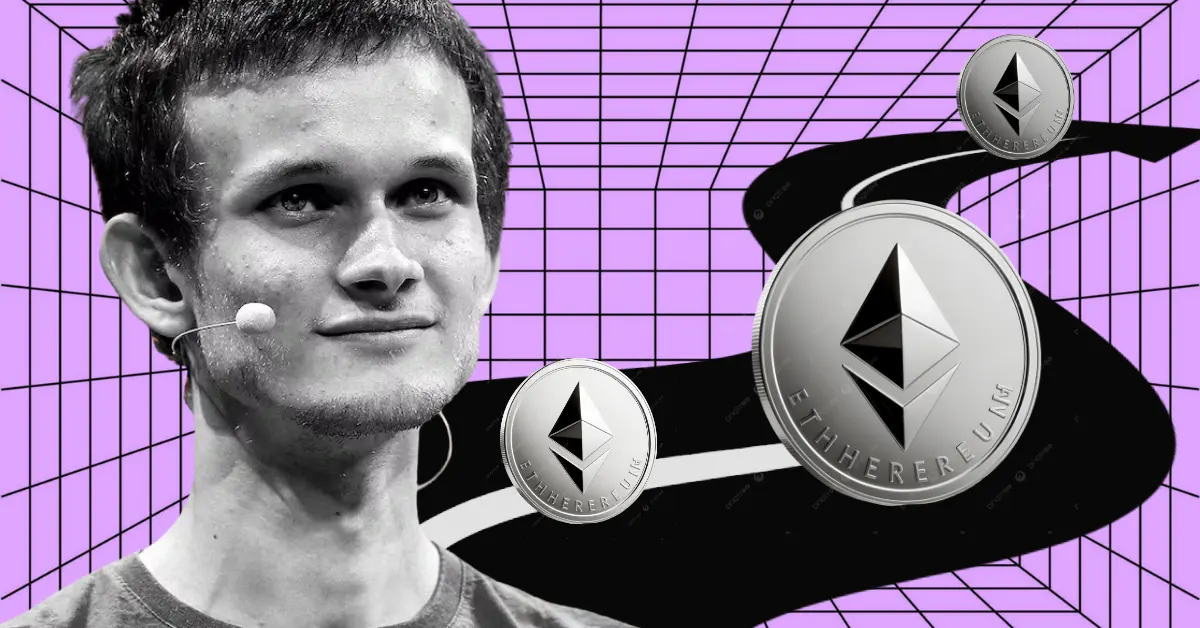
Ethereum founder Vitalik Buterin stirred discussion across the crypto space today with a tweet on how DAOs didn’t fail, but they lost focus. And that shift, he says, is now weakening some of crypto’s most important systems.
“We need more DAOs – but different and better DAOs,” Buterin wrote, pointing back to Ethereum’s early vision. DAOs were meant to manage resources and coordinate activity more efficiently than governments or corporations. Instead, most have turned into simple token-voting treasuries.
That model works on paper, Buterin says, but it comes with serious flaws.
Where Modern DAOs Went Wrong
According to Buterin, token-based governance is inefficient and easy to manipulate. Large holders can influence outcomes, and decision-making often turns political rather than practical.
This has led many builders to lose confidence in DAO governance altogether.
“The problem here is not greed. The problem is that we have bad oracle designs,” he said, arguing that flawed systems are holding DAOs back.
Also Read: Vitalik Buterin Wants Ethereum to Survive Without Him, Reveals 7-Step Plan
Why Better DAOs Still Matter for Crypto
Despite the criticism, Buterin made it clear that DAOs remain essential.
He pointed to several areas where stronger DAO designs are urgently needed: price oracles used by stablecoins and DeFi protocols, onchain dispute resolution for use cases like insurance, and maintaining trusted lists such as verified apps or contract addresses.
DAOs also play a role in helping projects launch quickly and continue operating after original teams step away.
Without better governance, these systems remain fragile.
What’s Holding DAOs Back?
Buterin also highlighted two major issues behind low participation.
“Without privacy, governance becomes a social game,” he warned. Public voting often changes behavior and discourages honest decision-making. At the same time, frequent votes lead to decision fatigue, causing users to disengage over time.
To fix this, Buterin pointed to tools like zero-knowledge proofs for private governance, AI to reduce voting overload, and better communication platforms designed for consensus.
Reactions were mixed. A user pushed back, asking whether Chainlink’s corporate-controlled DAO structure already solves some of these issues.
Others aligned with Buterin’s view, agreeing that most protocols have stopped experimenting with new oracle designs entirely.
Whether the wider Ethereum ecosystem takes action remains uncertain. But Buterin’s message is clear: the current DAO model needs a rethink.
Trust with CoinPedia:
CoinPedia has been delivering accurate and timely cryptocurrency and blockchain updates since 2017. All content is created by our expert panel of analysts and journalists, following strict Editorial Guidelines based on E-E-A-T (Experience, Expertise, Authoritativeness, Trustworthiness). Every article is fact-checked against reputable sources to ensure accuracy, transparency, and reliability. Our review policy guarantees unbiased evaluations when recommending exchanges, platforms, or tools. We strive to provide timely updates about everything crypto & blockchain, right from startups to industry majors.
Investment Disclaimer:
All opinions and insights shared represent the author’s own views on current market conditions. Please do your own research before making investment decisions. Neither the writer nor the publication assumes responsibility for your financial choices.
Sponsored and Advertisements:
Sponsored content and affiliate links may appear on our site. Advertisements are marked clearly, and our editorial content remains entirely independent from our ad partners.
About Author