Gold Loses 15% From War Highs as Operation Epic Fury Safe Haven Trade Unwinds
Key Takeaways:
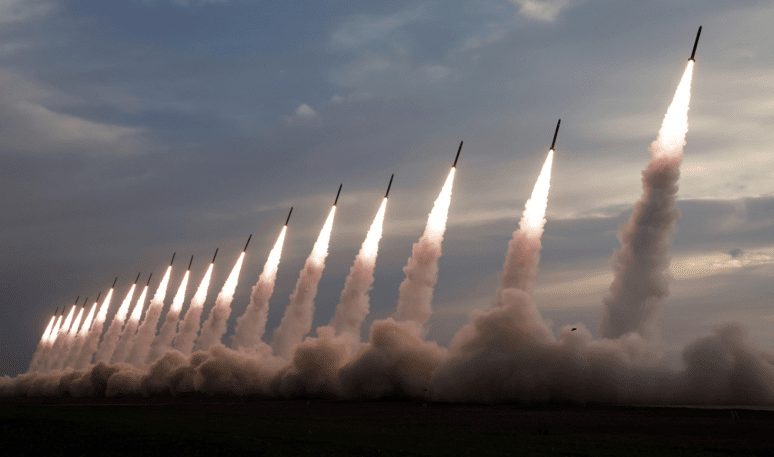
Gold’s pullback carries additional context from the ongoing U.S.-Israel-Iran war, which began February 28, 2026, when coordinated U.S. and Israeli strikes under Operation Epic Fury targeted Iranian military sites, nuclear facilities, and senior leadership including Supreme Leader Ali Khamenei. Iran responded with missile and drone attacks that disrupted oil flows through the Strait of Hormuz.
The initial geopolitical shock briefly lifted gold from pre-war levels near $5,100 to $5,300 per ounce up to highs near $5,423 per ounce in the first days of the conflict. The move proved short-lived. A strengthening dollar, rising yields, profit-taking, and concerns that oil disruptions could stoke inflation and delay Fed rate cuts all combined to reverse the advance.
By mid-to-late March, gold had shed roughly 15% to 19% from early-March peaks, with prices trading in the $4,900 to $5,000 range before sliding further. Gold‘s all-time high came in late January 2026, near $5,595 to $5,608 per ounce. Current levels near $4,624 represent a notable correction from both that peak and from the brief post-strike highs recorded after Operation Epic Fury.
The war’s muted net impact on gold reflects competing forces. Geopolitical uncertainty brought buyers in, but the same conflict drove oil prices higher and stoked inflation concerns that cut against the rate-cut thesis gold had been trading on. Some capital shifted to the dollar as the more immediate safe-haven instrument, and central bank buying continued in the background without fully offsetting the near-term selling pressure.
Peter Schiff sees the gold dip as temporary. Responding to reports that Vice President JD Vance may skip the 2028 presidential race, Schiff suggested 2032 could be his moment, bankrolled by gold gains he has predicted for decades as the dollar weakens and monetary inflation takes hold. Schiff said this weekend:
“Things will be so bad in 2032 that I may have to run myself. Given how high gold will likely be by then I should be able to self fund.”
Looking ahead, gold traders will watch the Federal Reserve, the USD index, and incoming inflation data for signals on the rate path. April futures contracts for gold, designated GCJ26, are tracking spot dynamics closely. Resistance sits in the $4,700 to $4,800 range, with support expected at recent swing lows.
Silver’s near-term target is $75 to $80 per ounce if AI-driven industrial buying proves sustained. Any confirmation of that demand trend, combined with exchange-traded fund (ETF) inflows, could lift silver toward those resistance levels before year-end.
Gold’s next directional move likely hinges on whether the Fed’s posture shifts or whether fresh geopolitical escalation in the Middle East revives the safe-haven bid that has faded since early March.
About Author