
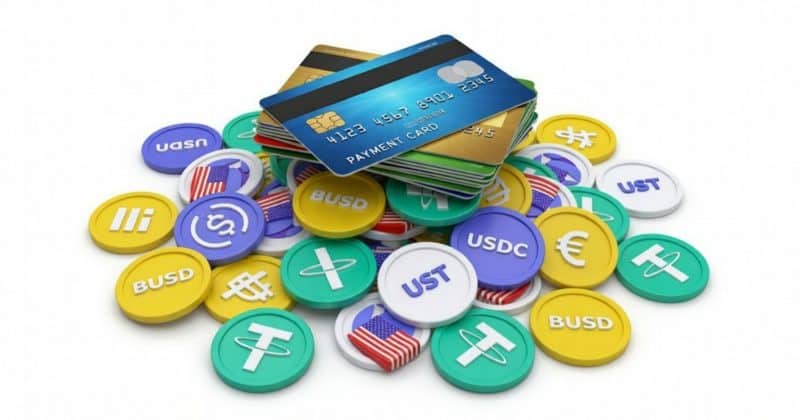
Beginner’s guide to paying with stablecoins using crypto cards
Today, a lot of people are starting to keep part of their savings in stablecoins. But there’s still a simple question many people have: how do you actually spend this crypto on everyday things like groceries, subscriptions, or travel?You can usually view your balance and transaction history, receive notifications, and freeze or unfreeze the card when needed.
Practical tips for beginners
If you’re just starting to use a crypto card and pay with stablecoins, it’s best to move gradually and pay attention to the details. This will help you avoid unnecessary fees and common mistakes, especially in the beginning.
-
Start with a small amount. Make one or two small purchases first to understand how conversion works and what fees apply.
-
Be aware of fees in advance. Some platforms charge for loading the card, others for spending — both are normal, as long as you understand the structure.
-
Keep most of your funds in your wallet, not on the card. Treat the card like a spending account rather than long-term storage.
-
Enable notifications. Push alerts help you track every transaction and react quickly if something looks suspicious.
-
Use 2FA and freeze/unfreeze options where available. This is an easy way to increase account security.
-
Keep an eye on limits. Many cards have daily or monthly caps — it’s normal, just be aware of them.
Crypto cards that support stablecoins make using digital assets far more practical and closer to traditional banking tools. You can store your money in a stable currency while spending it just like regular cash — online, offline, and while traveling.
At the same time, each provider has its own terms, fees, and features, so it’s important to understand how the card works and what role it plays in your everyday finances. When used thoughtfully, a crypto card can become a convenient and reliable way to manage everyday payments in a world where cryptocurrency is gradually becoming part of everyday life.
About Author