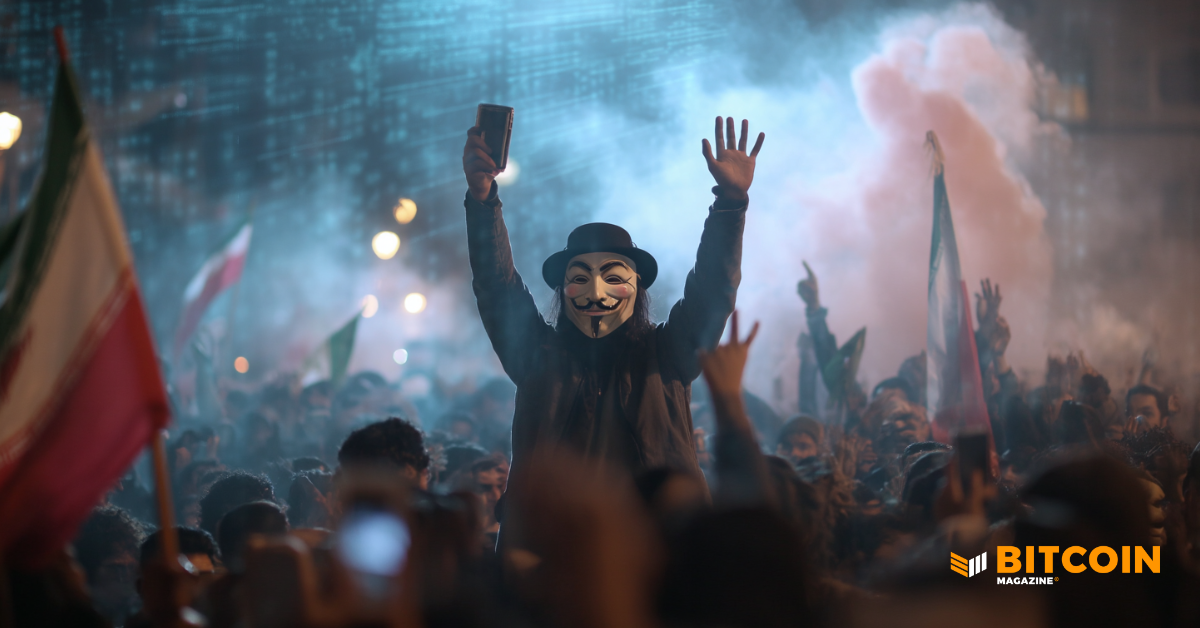
Breaking the Blackout: Iranian Protestors Use Freedom Tech to Bypass Regime Crackdown
Iran has been experiencing intense protests against the Islamic Republic regime in recent weeks. Authorities have responded with severe measures, including a nationwide telecoms blackoutیک راه ارتباطی هنوز باقی است.
«نقطهها» اپلیکیشنی برای ارتباط بدون اینترنت. pic.twitter.com/0QiDLPbRNq– not open-source. the app could be spying on you without your knowledge. NEVER USE A CLOSED-SOURCE PRIVACY MESSENGER!
– asks for money. bitchat is… pic.twitter.com/byLlA9Lqmo
— calle (@callebtc) January 11, 2026
Yet the interaction raises a worthy question: Is Bitchat cypherpunk enough to counter the regime’s potential undermining of it, where openness itself could be weaponized? In that sense, does Noghteha achieve something that Bitchat can’t, and should that be the case, can Bitchat be adapted to become more resilient against such tactics?
Ultimately, it’s inspiring to see Bitcoin gaining prominence on the international stage, alongside freedom tech tools rooted in the cypherpunk principles of privacy through cryptography. Cypherpunks and, more recently, Bitcoin developers have pioneered technologies that excel in high-stakes scenarios, empowering individuals to maintain communication and autonomy amid oppression. With many of these tools released under permissive open-source licenses like MIT, they invite cloning and repurposing to fit various needs. While closed-source adaptations introduce new risks, they also can also generate valuable lessons, potentially guiding future enhancements to better withstand information warfare tactics.
The events in Iran demonstrate how innovations from the Bitcoin ecosystem adapt and thrive, offering real support to those navigating censorship, blackouts, and repression through resilient, user-focused tools.
Editor’s Note: A Warning on Security Users should proceed with caution. Noghteha is a closed-source application. Calle, the original developer of Bitchat, has explicitly warned against using the app due to the inability to verify its code or security. However, reports from the ground indicate it is being widely and successfully used by protestors.
About Author