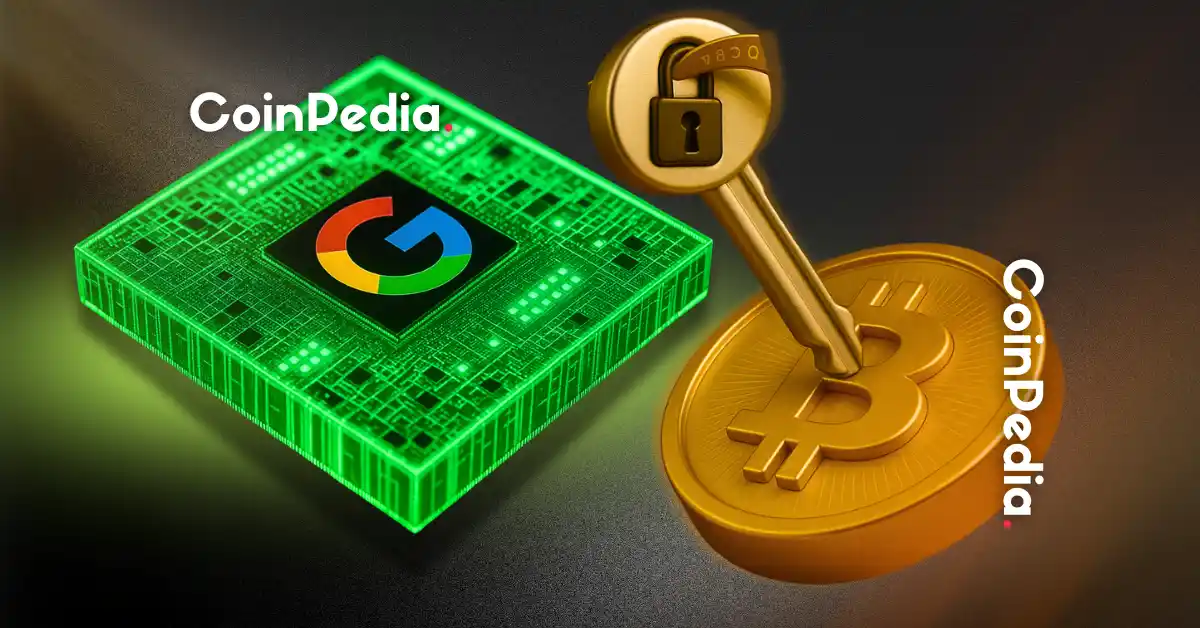
Ethereum researcher Justin Drake has brought to attention two major quantum computing breakthroughs that could significantly accelerate the timeline for breaking modern cryptography.
At the center of it all is Shor’s algorithm, a quantum method capable of breaking the encryption behind Bitcoin and Ethereum.
Google and Oratomic Push the Limits
Drake described the release of two new research papers as a “monumental day” for quantum computing. Both studies improve Shor’s algorithm, a quantum method known for its ability to crack widely used encryption systems like RSA and elliptic curve cryptography, which secure networks such as Bitcoin and Ethereum.
“The algorithm runs on ~1K logical qubits for the 256-bit elliptic curve secp256k1. Due to the low circuit depth, a fast superconducting computer would recover private keys in minutes.”
The first paper, from Google Quantum AI, shows that private keys tied to blockchain signatures could potentially be recovered in minutes using around 1,000 logical qubits. The second, from startup Oratomic, suggests even greater efficiency at the hardware level, reducing the number of required physical qubits by up to 40x.
Put simply, both papers attack different parts of the problem, and together, they make quantum threats feel far more real.
Q-Day Might Not Be So Far
Interestingly, Drake now believes the chances of “Q-Day”, when quantum computers can break current cryptography, arriving by 2032, have jumped significantly.
My confidence in q-day by 2032 has shot up significantly. IMO there’s at least a 10% chance that by 2032 a quantum computer recovers a secp256k1 ECDSA private key from an exposed public key.
He estimates at least a 10% probability that a quantum system could recover a private key within that timeframe.
Speed is the real game-changer here. Superconducting quantum machines could crack keys in minutes, while slower systems might take days, but either way, the direction is clear.
The Real Risk Isn’t Mining
One key takeaway stands out. Quantum computing is not coming for Bitcoin mining anytime soon. Instead, the real threat lies in signature security, how wallets and transactions are protected.
Drake also hinted that future breakthroughs may not even be fully disclosed, as research could face censorship or secrecy.
Never Miss a Beat in the Crypto World!
Stay ahead with breaking news, expert analysis, and real-time updates on the latest trends in Bitcoin, altcoins, DeFi, NFTs, and more.
FAQs
Can quantum computers really break Bitcoin or Ethereum security?
Not yet, but new research shows it’s becoming more realistic. Future quantum systems may recover private keys from public keys in minutes.
What is “Q-Day” in quantum computing?
Q-Day is when quantum computers can break today’s encryption. Experts now see a real chance this could happen as early as 2032.
How can crypto users protect themselves from quantum threats?
Use wallets that avoid key exposure, upgrade to quantum-resistant cryptography when available, and follow network updates for security changes.
Trust with CoinPedia:
CoinPedia has been delivering accurate and timely cryptocurrency and blockchain updates since 2017. All content is created by our expert panel of analysts and journalists, following strict Editorial Guidelines based on E-E-A-T (Experience, Expertise, Authoritativeness, Trustworthiness). Every article is fact-checked against reputable sources to ensure accuracy, transparency, and reliability. Our review policy guarantees unbiased evaluations when recommending exchanges, platforms, or tools. We strive to provide timely updates about everything crypto & blockchain, right from startups to industry majors.
Investment Disclaimer:
All opinions and insights shared represent the author’s own views on current market conditions. Please do your own research before making investment decisions. Neither the writer nor the publication assumes responsibility for your financial choices.
Sponsored and Advertisements:
Sponsored content and affiliate links may appear on our site. Advertisements are marked clearly, and our editorial content remains entirely independent from our ad partners.
About Author