
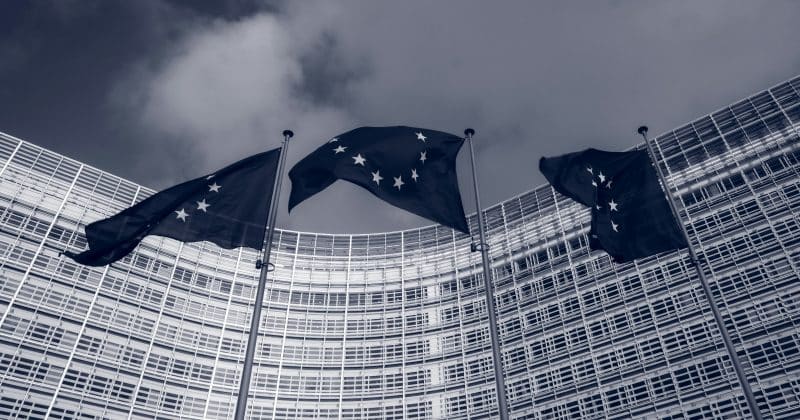
EU proposes crackdown on crypto transactions with Russia to curb sanctions evasion
The European Commission is pursuing a full ban on crypto transactions tied to Russia to strengthen sanctions enforcement, the Financial Times reported Tuesday, citing an internal European Commission document.
The proposal, part of the Commission’s 20th Sanctions Package, targets crypto platforms, financial intermediaries, and payment channels that help facilitate crypto-linked transactions for Moscow.
Unlike earlier packages that mostly targeted Russian-based entities, the latest measures move toward disrupting the global systems that make evasion possible. They are therefore seen as the EU’s most aggressive move yet on digital assets.
“We are listing 20 more Russian regional banks, and we will take measures against cryptocurrencies, companies trading them, and platforms enabling crypto trade, to close an avenue for circumvention,” a February 6 statement read. “We are also targeting several banks in third countries involved in facilitating illegal trade in sanctioned goods.”
Brussels officials have argued that targeting individual Russian exchanges has proven ineffective, as sanctioned entities quickly spawn successor operations to evade restrictions.
Commission officials specifically cited concerns about successors to Garantex, a Moscow-linked exchange sanctioned by Washington in 2022 for facilitating cybercriminal activity. The proposal appears to be aimed at newer Russian payment networks and ruble-pegged stablecoins that have emerged since early enforcement actions.
The sweeping measure also encompasses a full prohibition on transactions involving the digital ruble, the central bank-backed currency Russia has developed in recent years, and seeks export restrictions on certain dual-use goods to Kyrgyzstan.
Russia has authorized the use of digital assets for cross-border payments as part of its effort to sustain international trade under sanctions.
In 2024, the EU barred its entities from connecting to Russia’s SWIFT-equivalent SPFS system and expanded sanctions targeting banks and crypto service providers that help Moscow evade restrictions, including through channels linked to its military-industrial base.
Late last year, the EU escalated its response by banning transactions involving the A7A5 stablecoin and sanctioning the payment platform Payeer.
Three of the bloc’s member states have expressed reservations about the measures, which require unanimous approval. The Commission initially targeted adoption before the fourth anniversary of the invasion on February 24.
About Author