Gold Price Today: Why Is Gold Falling and How Low Can It Go This Week
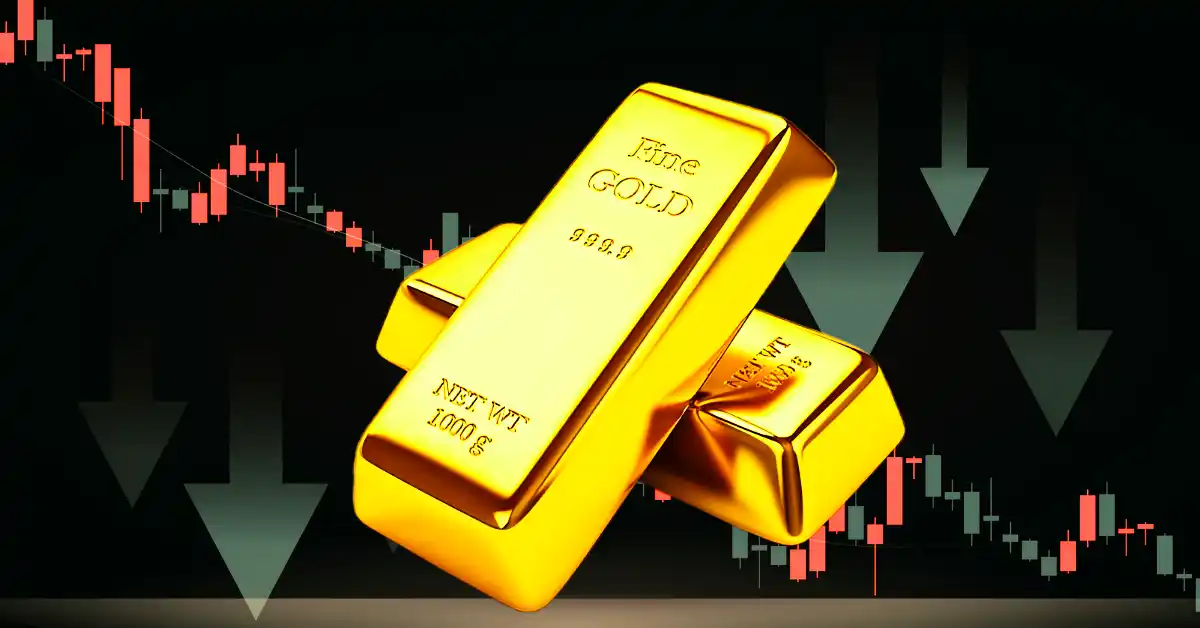
Gold prices took a sharp hit, slipping below $4,350 and wiping out over $1 trillion in just a few hours. Even more surprising, gold and silver together lost nearly $2 trillion in that short time, leaving investors across global markets shaken.
So, why is gold crashing right now despite ongoing geopolitical tensions?
Why Is Gold Falling Apart?
Normally, gold rises during crises. But this time, the opposite is happening. Even with the Iran conflict escalating, gold is under pressure.
One major reason is rising bond yields. The US 10-year yield has surged to around 4.40%, climbing sharply in recent weeks. Higher yields make interest-bearing assets more attractive, reducing demand for gold.
At the same time, expectations of rate cuts from the Federal Reserve are fading. With inflation risks still present due to rising energy prices, markets now expect tighter monetary policy for longer.
Liquidity Crunch and Forced Selling
Another factor behind the crash is liquidity pressure. As oil prices surged earlier, traders needed more capital to maintain positions. This forced many to sell gold quickly to raise cash.
Market observers describe this as “mechanical selling” rather than panic. Gold, being highly liquid, is often the first asset sold during such stress.
Adding to this, stop-loss triggers and technical breakdowns accelerated the fall, pushing prices lower in a short time.
Deep Cuts Reveals
According to The Kobeissi Letter, something unusual is happening. Despite oil losing gains and stock futures turning positive, gold continued to fall.
This is unusual because such conditions typically support gold prices. The divergence suggests that a large player may be getting liquidated, creating sudden and sharp price swings.
They also point to “pockets of illiquidity” in the market, meaning there are fewer buyers at certain levels, which increases volatility and causes rapid price gaps.
- Also Read :
- Bitcoin and Ethereum Declared Non-Securities as SEC Chair Atkins Backs Clarity Act: ‘I Trust It Will Reach Trump’s Desk’
- ,
How Low Can Gold Go?
Gold has already dropped over 14% in the past month, with intraday lows near $4,350. If pressure continues, further downside is possible in the short term.
An analyst said $4,304 is an important support level that has held strongly before. If gold manages to stay above it, there’s a chance prices could move higher with some upward momentum.
However, if it breaks below $4,304, the next downside targets are seen in the $4,270 to $4,200 range.
What’s Next: Recovery or More Pressure?
The outlook remains mixed. While long-term projections from major institutions and banks like JP Morgan still point toward $6,000+ levels, short-term conditions remain fragile due to high yields and tight liquidity.
Adding another perspective, Peter Schiff argues the sell-off is irrational. He believes rising inflation should support gold, as falling real interest rates are typically bullish for the metal. He also said that rate cuts matter more for stocks, making their relatively mild decline surprising.
For now, markets remain on edge. Whether gold stabilizes or drops further will depend on how inflation, interest rates, and liquidity conditions evolve in the coming days.
Never Miss a Beat in the Crypto World!
Stay ahead with breaking news, expert analysis, and real-time updates on the latest trends in Bitcoin, altcoins, DeFi, NFTs, and more.
FAQs
Gold is down today due to higher US bond yields, reduced rate cut expectations, and forced selling from liquidity pressure in global markets.
Geopolitical tensions usually support gold, but rising yields and liquidity stress are currently overpowering demand, keeping prices under pressure.
Gold may recover if inflation rises or rate cuts return, but short-term direction depends on bond yields, liquidity, and overall market conditions.
Trust with CoinPedia:
CoinPedia has been delivering accurate and timely cryptocurrency and blockchain updates since 2017. All content is created by our expert panel of analysts and journalists, following strict Editorial Guidelines based on E-E-A-T (Experience, Expertise, Authoritativeness, Trustworthiness). Every article is fact-checked against reputable sources to ensure accuracy, transparency, and reliability. Our review policy guarantees unbiased evaluations when recommending exchanges, platforms, or tools. We strive to provide timely updates about everything crypto & blockchain, right from startups to industry majors.
Investment Disclaimer:
All opinions and insights shared represent the author’s own views on current market conditions. Please do your own research before making investment decisions. Neither the writer nor the publication assumes responsibility for your financial choices.
Sponsored and Advertisements:
Sponsored content and affiliate links may appear on our site. Advertisements are marked clearly, and our editorial content remains entirely independent from our ad partners.
About Author