Iran’s Rial Hits Historic Low as Inflation Sparks Unrest
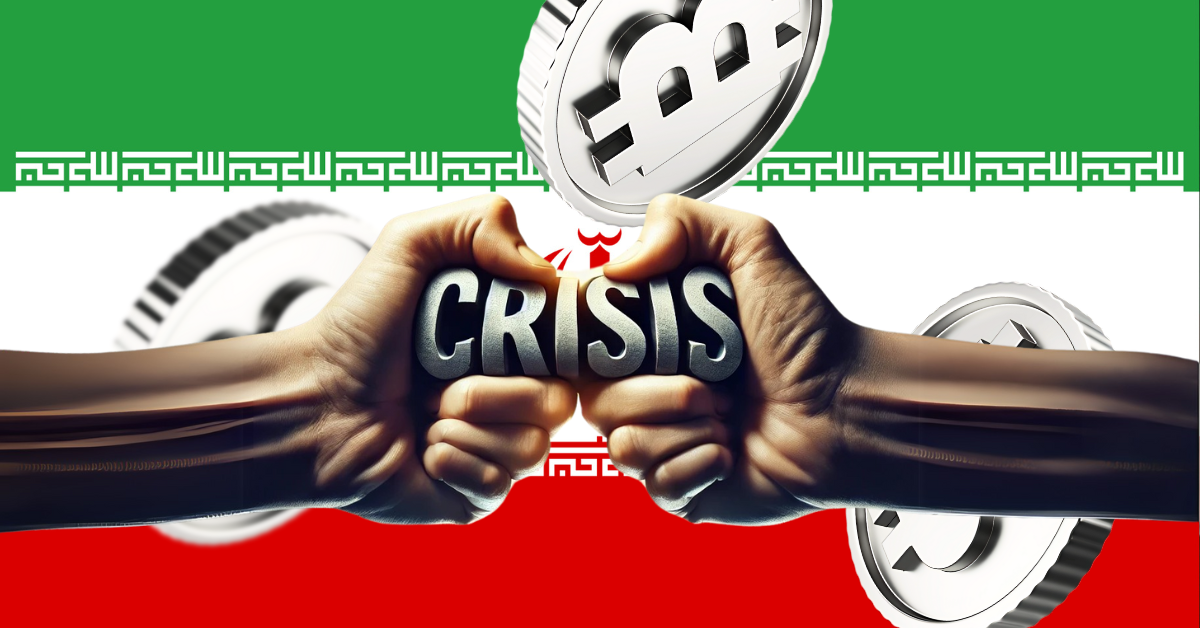
Iran’s economic pressure reached a breaking point in December 2025 as the rial slid to a historic low of nearly 1.4 million per US dollar. The collapse, which marks a 40% drop since June, has pushed the country into renewed unrest and reopened discussions around alternative stores of value, including Bitcoin.
The scale of the decline is staggering. In just a decade, the rial has lost more than 95% of its purchasing power, falling from around 32,000 per dollar in 2015 to current levels. Inflation has only added fuel to the crisis, with prices climbing faster than household incomes can keep up.
Inflation Hits Daily Life Hard
As per reports, Iranian consumers are feeling the pain most sharply in essential goods. Annual inflation rose to 42.2% in December, while food prices jumped by 72% compared to last year. Medical costs were not far behind, climbing nearly 50%. These increases have pushed everyday life out of reach for many families. Following the news, Iran’s Central Bank Governor Mohammad Reza Farzin has resigned.
As frustration spilled into the streets, shopkeepers in Tehran’s Grand Bazaar shut their doors, with protests spreading to cities like Isfahan, Shiraz, and Mashhad. Reports suggest this is the most significant wave of public demonstrations since 2022. Political instability and financial stress have also led to leadership changes, including the resignation of Iran’s central bank governor.
Gold Surges as Trust in Fiat Erodes
When confidence in currency fades, Iranians traditionally turn to gold. That trend accelerated this year, with gold coins doubling in price since June and reaching nearly 1.7 billion rials each. The surge reflects a deep loss of faith in monetary policy, worsened by sanctions, declining oil revenues, and long-standing banking sector issues.
- Also Read :
- Key U.S Economic Events To Watch This Week
- ,
Bitcoin Enters the Conversation
Against this backdrop, Bitwise CEO Hunter Horsley pointed to Bitcoin as another way people attempt to shield themselves from economic mismanagement. He described Bitcoin as a tool that exists outside government control, offering individuals a way to protect their savings when national systems fail.
The idea is not unique to Iran, as per Alex Gladstein of the Human Rights Foundation. Across inflation-hit economies, Bitcoin and stablecoins are increasingly used as alternatives to weakening local currencies. Similar patterns have been seen in Argentina, where citizens turned to crypto as the peso deteriorated.
A Hedge, Not a Cure
Bitcoin’s fixed supply and independence from domestic monetary policy make it appealing during currency crises. However, it is not without risks. Volatility, access restrictions, and regulatory pressure remain real barriers, especially in countries facing strict controls.
Still, Iran’s deepening crisis highlights why Bitcoin continues to resurface in moments of monetary collapse, not as a perfect solution, but as a reflection of lost trust in traditional systems.
Never Miss a Beat in the Crypto World!
Stay ahead with breaking news, expert analysis, and real-time updates on the latest trends in Bitcoin, altcoins, DeFi, NFTs, and more.
FAQs
Iran’s rial is falling due to high inflation, sanctions, weak oil revenues, and low trust in monetary policy, which have steadily eroded its value.
Rising inflation has sharply increased food, medical, and housing costs, making basic necessities unaffordable for many Iranian households.
Bitcoin use exists but faces restrictions. Many still access it informally to hedge savings, despite regulatory limits and technical barriers.
Bitcoin can help preserve value long term, but price volatility and access issues mean it’s a hedge, not a guaranteed or risk-free solution.
Trust with CoinPedia:
CoinPedia has been delivering accurate and timely cryptocurrency and blockchain updates since 2017. All content is created by our expert panel of analysts and journalists, following strict Editorial Guidelines based on E-E-A-T (Experience, Expertise, Authoritativeness, Trustworthiness). Every article is fact-checked against reputable sources to ensure accuracy, transparency, and reliability. Our review policy guarantees unbiased evaluations when recommending exchanges, platforms, or tools. We strive to provide timely updates about everything crypto & blockchain, right from startups to industry majors.
Investment Disclaimer:
All opinions and insights shared represent the author’s own views on current market conditions. Please do your own research before making investment decisions. Neither the writer nor the publication assumes responsibility for your financial choices.
Sponsored and Advertisements:
Sponsored content and affiliate links may appear on our site. Advertisements are marked clearly, and our editorial content remains entirely independent from our ad partners.
About Author