Prediction Markets Put the US-Iran Ceasefire on a Short Clock
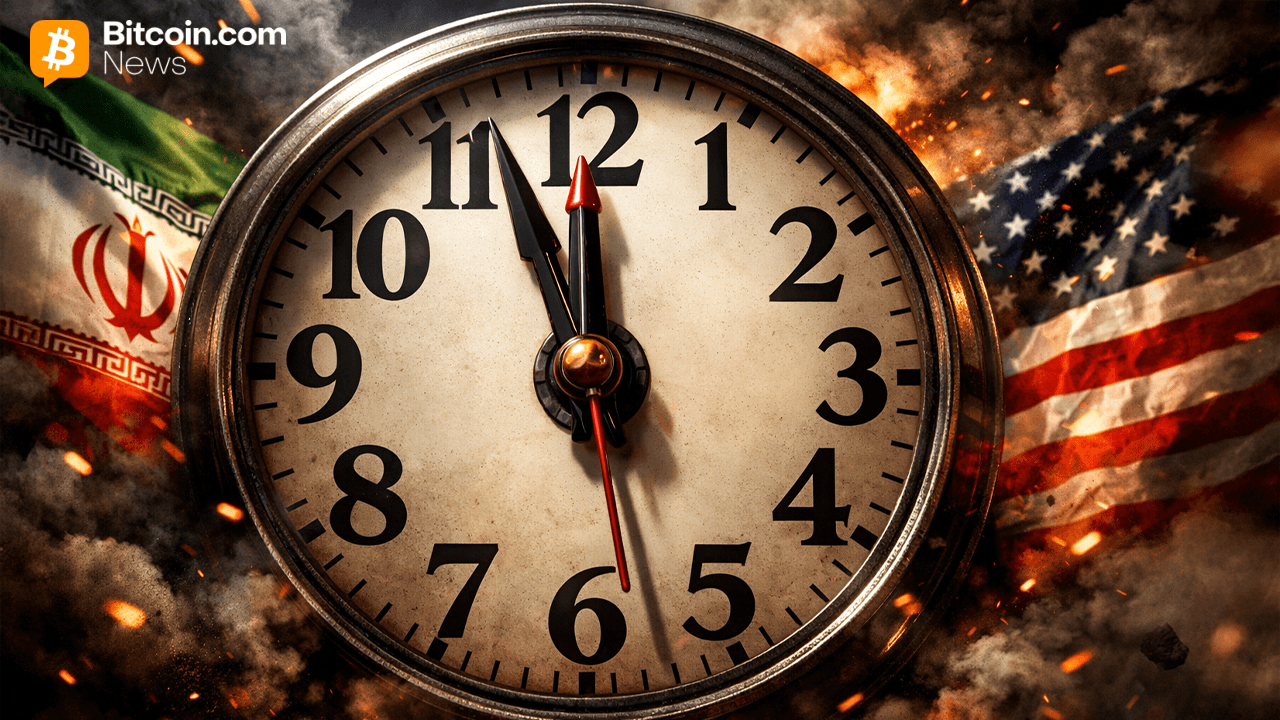
Key Takeaways: The ceasefire gives negotiators a narrow window. Talks are scheduled for around April 10-11 in Islamabad, with Vice President JD Vance expected to lead the U.S. delegation. Iran has signaled it wants a permanent end to hostilities, not a temporary pause. Its 10-point proposal includes demands for sanctions relief, compensation for damages, U.S. regional withdrawal, and Iranian control over the Strait. Trump has described the proposal as a “workable basis” for negotiations. Post-announcement complications are already in play. Reports of continued missile activity in the Gulf and Israeli strikes on Lebanon surfaced shortly after the deal was announced. Iran indicated that ongoing attacks in Lebanon could make further talks “unreasonable.” Israel’s domestic politics add another variable: the agreement fell short of more expansive Israeli goals, putting pressure on Prime Minister Benjamin Netanyahu. On Kalshi, traders are skeptical about longer-term normalization. A market tracking whether the U.S. will reopen its embassy or consulate in Iran by Jan. 1, 2027 shows only 16% odds in favor. The “Yes” contract is priced at 17 cents, while “No” fetches 84 cents. Total volume stands at $67,163. Sentiment on that market has trended downward since early March, even as some traders argue the odds are undervalued given possible regime changes or a foreign policy pivot from the Trump administration. The broader market reaction was positive on news of the ceasefire. Global equities rose, and oil briefly dipped below $100 per barrel on expectations that Hormuz access would be restored. Bitcoin rallied above the $70,000 mark. That relief trade assumes the deal holds. Both sides have claimed victory. Trump and Defense Secretary Pete Hegseth called U.S. objectives met, with Hegseth calling the outcome “historic.” Iran framed the result as resistance yielding results. The gap between those narratives is wide, and that gap will shape what happens in Islamabad this weekend. Traders are, for now, pricing in continued uncertainty. The market structure, with high volume on late April and May dates and low confidence in anything resolving before April 15, reflects a crowd that believes de-escalation is real but incomplete. Whether the Islamabad talks produce a durable agreement or collapse under the weight of unresolved conditions will determine which positions pay out. A $16 million question is sitting on the board. The clock started on April 7.About Author