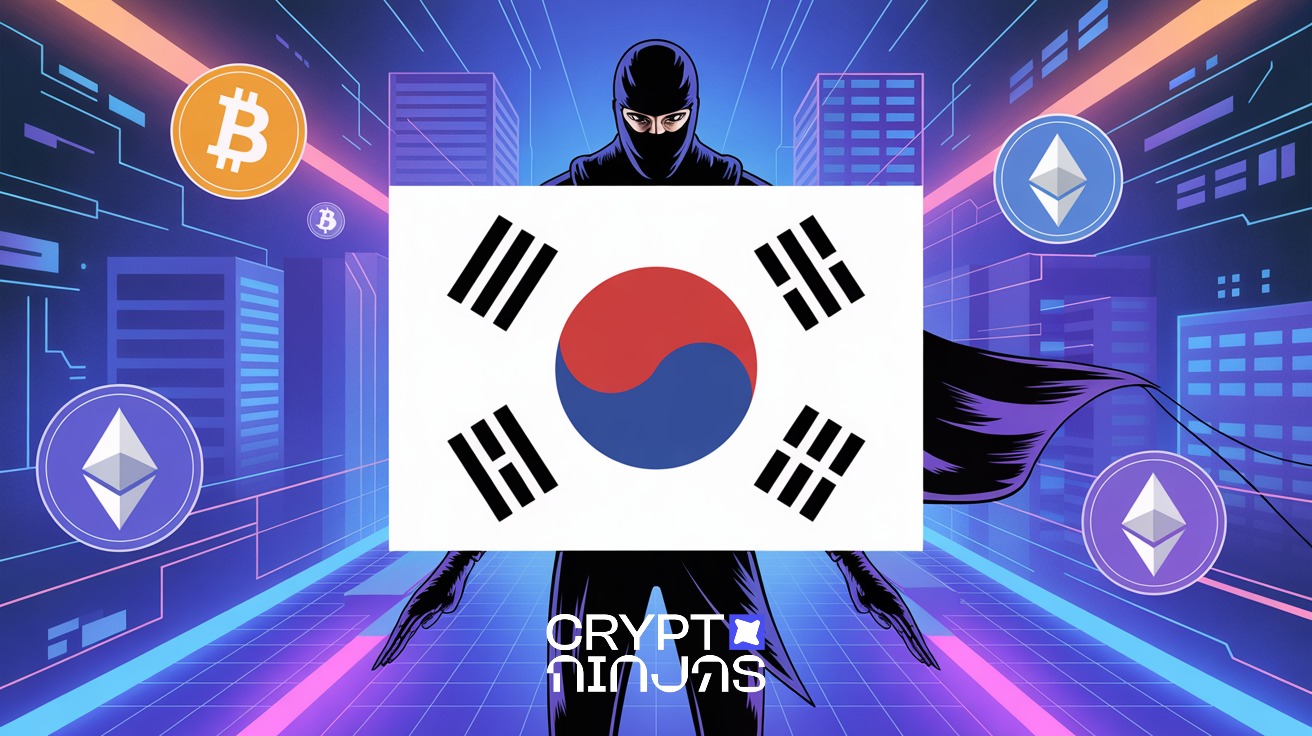
South Korea Enacts Seed Bills to Authorize Tokenized Ssecurity Based on Blockchain
Key Takeaways:The Introduction of the Blockchain into the National Securities SystemMaking the Fractional Investment BridgeProtecting the Market and Investors
As much as the laws provide new opportunities, there are stringent ones that go with it. The FSC has pointed out that tokenized securities remain such. This implies that they should adhere to the same disclosure and investor protection regulations as any other financial instrument. In case a company intends to issue tokens to the population, it has to file a securities registration statement, and completely disclose the underlying asset.
The separation of issuance and distribution is one of the most vital protective practices in the new law. To avoid conflict of interest the same entity would not be able to issue a tokenized security and operate the exchange in which it is traded. This is a requirement that marketplaces run by issuers will not be permitted. Rather, investors will sell and buy tokens via licensed brokerages of new OTCs.
The role of intermediaries is also dealt with in the legislation. Any company that enables the trading of these tokens without an appropriate investment brokerage license will be viewed as an illegal operator. It is a strong indication to the crypto industry that as much as the technology is being adopted, the wild-west approach of unregulated trading of tokens is not going to be adopted in the securities market.
About Author