U.S. Crypto Regulation Reaches a Turning Point as Senate Pushes Landmark Bill
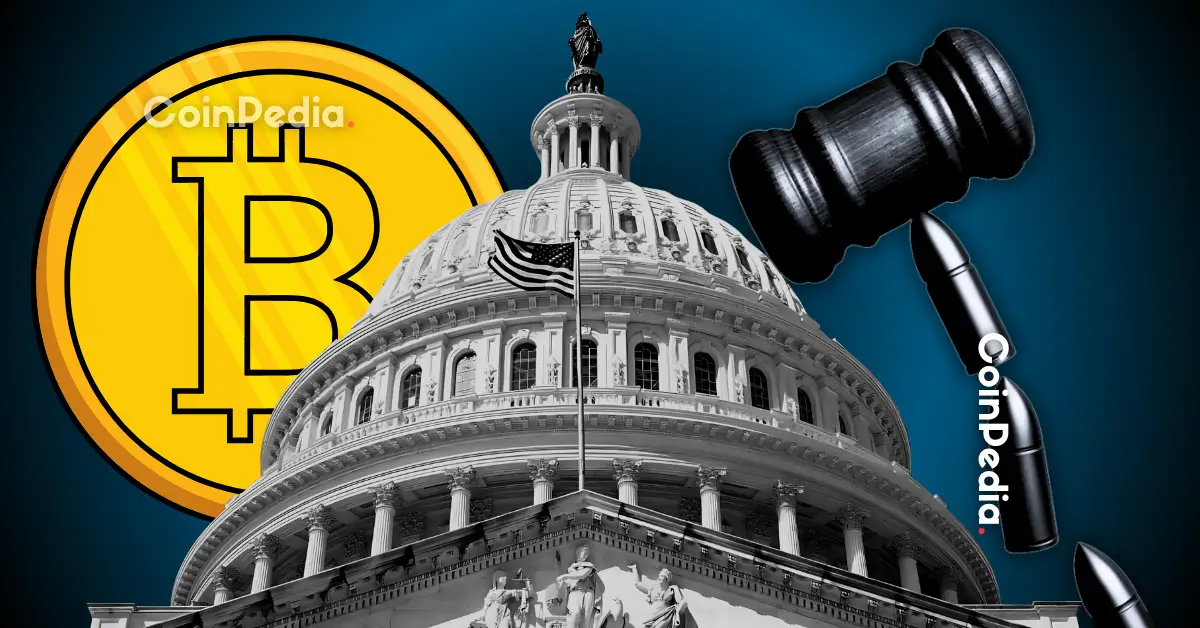
Washington is heading into a defining week for crypto policy as US lawmakers move closer to setting firm rules for the digital asset industry. After years of uncertainty, enforcement-heavy oversight, and stalled negotiations, Congress is finally positioning itself to vote on legislation that could reshape how crypto is regulated in the United States.
Senate Advances U.S. Crypto Regulation Bill
Two influential Senate panels, the Banking Committee and the Agriculture Committee, have scheduled key hearings on January 15 to debate and vote on their versions of a comprehensive crypto market structure bill. These markups are more than procedural steps; they will determine whether the legislation advances or stalls yet again.
The timing is significant. Lawmakers have missed multiple self-imposed deadlines over the past year, but growing pressure from industry, global competition, and regulatory confusion appears to have forced action. If both committees approve their drafts, it would mark the most meaningful progress toward federal crypto rules to date.
SEC vs. CFTC Jurisdiction Explained
At the heart of the bill is the long-running battle over jurisdiction. For years, crypto companies have operated in a gray area, unsure whether they fall under the Securities and Exchange Commission or the Commodity Futures Trading Commission. The proposed framework aims to end that ambiguity.
The Banking Committee’s draft introduces a new category known as “ancillary assets,” designed to clarify which tokens should not automatically be labeled as securities. Meanwhile, the Agriculture Committee’s version seeks to expand the CFTC’s authority over spot crypto markets. While both approaches move toward clarity, key differences remain, meaning compromise will be essential.
Once passed at the committee level, the Senate must consolidate the drafts and align them with the House-approved Digital Asset Market Clarity Act before a full Senate vote can occur.
- Also Read :
- Bipartisan Senators To Meet on Tuesday for Clarity Act: Will President Trump Delay Altseason 2026?
- ,
Stablecoin Rewards Spark Policy Clash
Despite growing momentum, stablecoin rewards remain the most contentious issue. Some banking groups are pushing lawmakers to restrict yield or reward programs tied to stablecoins, arguing they could disrupt traditional finance. Crypto leaders strongly disagree.
Executives like Coinbase CEO Brian Armstrong argue that stablecoin rewards benefit everyday users and strengthen the role of the US dollar in a digital economy. With China already offering interest on its digital yuan, critics warn that limiting US-based stablecoin incentives could push users toward foreign alternatives.
Industry voices, including Faryar Shirzad and John Deaton, frame the issue as a strategic risk, warning that pressure from the banking lobby to restrict stablecoin rewards could hand China an advantage in the future of money. They argue that blocking U.S. firms from offering yield would push users toward foreign digital currencies, potentially undermining dollar dominance just as finance moves on-chain.
U.S. Crypto Rules Face Defining Moment
Overall, optimism around the CLARITY Act is growing, but the stablecoin debate could still derail consensus. With Senate votes looming, the coming days are seen as decisive for whether the U.S. secures clear, competitive crypto rules or risks falling behind globally.
Never Miss a Beat in the Crypto World!
Stay ahead with breaking news, expert analysis, and real-time updates on the latest trends in Bitcoin, altcoins, DeFi, NFTs, and more.
FAQs
It’s a market structure bill aiming to define clear federal rules for crypto, clarify oversight, and end years of regulatory uncertainty.
Crypto regulation has stalled due to disagreements over agency authority, fast-changing technology, and concerns about financial stability. Lawmakers also lacked consensus on how innovation should be balanced with investor protection.
Clear rules could reduce legal risk, lower compliance costs, and encourage firms to operate domestically rather than offshore. Investors would benefit from more predictable oversight and market standards.
U.S. consumers, startups, and financial institutions could fall behind as other countries set clearer frameworks. Prolonged uncertainty may push innovation, capital, and talent to foreign markets.
Trust with CoinPedia:
CoinPedia has been delivering accurate and timely cryptocurrency and blockchain updates since 2017. All content is created by our expert panel of analysts and journalists, following strict Editorial Guidelines based on E-E-A-T (Experience, Expertise, Authoritativeness, Trustworthiness). Every article is fact-checked against reputable sources to ensure accuracy, transparency, and reliability. Our review policy guarantees unbiased evaluations when recommending exchanges, platforms, or tools. We strive to provide timely updates about everything crypto & blockchain, right from startups to industry majors.
Investment Disclaimer:
All opinions and insights shared represent the author’s own views on current market conditions. Please do your own research before making investment decisions. Neither the writer nor the publication assumes responsibility for your financial choices.
Sponsored and Advertisements:
Sponsored content and affiliate links may appear on our site. Advertisements are marked clearly, and our editorial content remains entirely independent from our ad partners.
About Author