Iran extends Strait of Hormuz blockade amid US-Iran peace deal uncertainty
## Market Snapshot
US-Iran permanent peace deal market shows a current 18.5% YES pricing for a deal by May 31, 2026, down from 24% a day earlier. The June 30, 2026 sub-market is at 31.5% YES, declining from 40% in the previous day.
## Key Takeaways
– Market pricing suggests a decreased likelihood of a US-Iran permanent peace deal in the near term. – The current geopolitical tensions, particularly the extended blockade of the Strait of Hormuz, appear to be impacting market confidence. – The US-Iran standoff and stalled Middle East diplomatic efforts may indicate continued volatility in related markets.
## Article Body
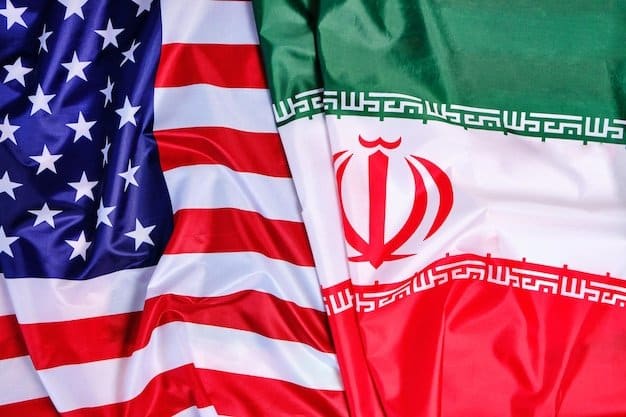
The geopolitical landscape under President Trump’s second term is marked by increasing tensions and diplomatic gridlock. The ongoing US-Iran standoff, highlighted by an extended blockade of the Strait of Hormuz, has escalated following unsuccessful negotiations and military posturing. This has led to significant concerns over global oil trade and regional stability. Meanwhile, the Middle East crisis, including the stalled Abraham Accords and challenges in US-Israel relations, has added to the diplomatic strain. These developments come amid broader doubts about the US’s commitment to its allies, as evidenced by NATO’s increased defense spending in response to perceived threats.
## Market Interpretation
The market appears to interpret the recent developments as pricing supportive of a NO outcome for a US-Iran permanent peace deal by the near-term deadlines. The impact is considered high, as evidenced by a significant decline in YES pricing over the past week. The extended blockade and failed negotiations suggest a challenging environment for reaching a diplomatic resolution.
## What to Watch
Observers will be closely monitoring any potential diplomatic interventions or shifts in US-Iran relations that could influence market sentiment. Key events to watch include any announcements from the Trump administration regarding peace talks, as well as responses from Iranian officials. Changes in US military presence in the Middle East or new sanctions could also impact market perceptions. Additionally, any movement in NATO’s defense strategy or involvement could further affect geopolitical risk assessments.
Get prediction market intelligence as a structured API feed. Early access waitlist.
About Author