Pentagon pauses War Powers clock amid Iran ceasefire, de-escalation efforts
## Market Snapshot
The market for a U.S. declaration of war on Iran by December 31, 2026, is currently priced at 8.5% YES, slightly up from 8% 24 hours ago. The April 30, 2026, market closed at 0.1% YES, indicating minimal expectation of a declaration before that date.
## Key Takeaways
– The Pentagon’s consideration of a timeout on War Powers appears to align with a de-escalation in the U.S.-Iran conflict. – The reported ceasefire with Iran suggests a reduced likelihood of a U.S. war declaration. – Political divisions in Congress and failed votes suggest challenges to formal war authorization.
## Article Body
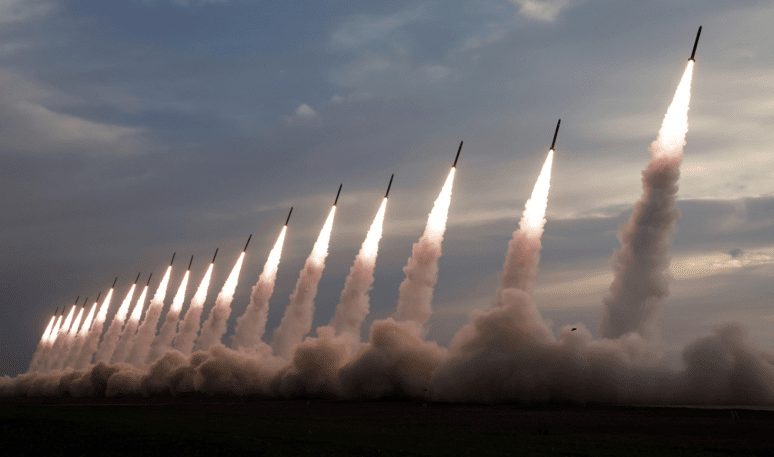
The Pentagon has announced a pause on the War Powers clock related to its military campaign in Iran, known as Operation Epic Fury. This move comes as a reported ceasefire with Iran could potentially reset the timeline mandated by the War Powers Resolution of 1973. The resolution requires Congress to authorize hostilities within 60 days, which expires on May 1, 2026. The White House and Pentagon are deliberating options such as a 30-day extension for unavoidable military necessity or seeking congressional authorization. This development follows a narrow Senate vote against war authorization and ongoing political divisions, with some Republican lawmakers urging defiance, while others push for resolution.
## Market Interpretation
The market interpretation suggests a moderate impact on the likelihood of a U.S. declaration of war on Iran. The Pentagon’s pause and the ceasefire indicate a trend toward de-escalation, consistent with a reduced probability of a formal war declaration. The political landscape, including Democratic opposition and Republican divisions, further supports a scenario where war declaration appears less imminent.
## What to Watch
Observers should monitor statements from the Pentagon regarding the continuation or extension of hostilities. Congressional actions, particularly any new resolutions or votes, will be crucial indicators. Developments in U.S.-Iran relations, such as the durability of the ceasefire and diplomatic negotiations, could significantly influence market perceptions. Additionally, any strategic changes in military posture or public statements by key figures like President Trump may alter the outlook.
Get prediction market intelligence as a structured API feed. Early access waitlist.
About Author