Tehran healthcare collapse amid US-Israel strikes sparks airspace closure fears
## Market Snapshot
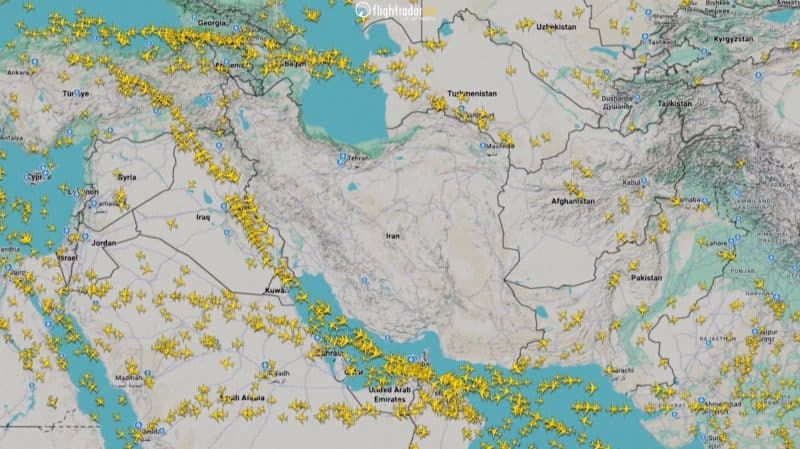
The “Iran closes its airspace by May 8” market is currently priced at 13.5% YES, down from 18% 24 hours ago. The “Iran closes its airspace by May 31” market shows a 34.5% YES probability, also down from 42% a day earlier. The “Iranian regime fall by June 30” market is at 5.5% YES, a slight decrease from 6% the previous day.
## Key Takeaways
– Market activity suggests increased likelihood of Iran closing its airspace due to escalating military tensions and humanitarian crises. – The humanitarian impact on Iran’s healthcare system appears consistent with scenarios supporting a higher likelihood of regime instability. – Current pricing indicates a moderate probability of regime fall, but not an immediate expectation of change by June 30.
## Article Body
Tehran’s healthcare system is nearing collapse amid the ongoing U.S.-led Operation Epic Fury, as Israeli and American airstrikes have severely damaged Iran’s medical infrastructure. Key pharmaceutical factories and research institutes have been destroyed, leading to severe shortages of medical supplies. The situation has resulted in outbreaks of infectious diseases among displaced populations and toxic air pollution affecting the capital. Experts are warning of a humanitarian crisis as hospitals are reduced to makeshift clinics. The operation, which began on February 28, 2026, aims at Iranian military and nuclear targets following unsuccessful negotiations. Despite a fragile ceasefire, tensions remain high with continued Iranian efforts to prepare defensive measures.
## Market Interpretation
The news of Iran’s healthcare system nearing collapse amid ongoing military actions appears supportive of a YES outcome for Iran closing its airspace, with a high impact on market confidence. The deteriorating humanitarian situation could indicate increased pressure on the regime, moderately affecting the probability of regime fall by June 30. Markets appear to interpret these developments as consistent with a heightened risk of defensive actions by Iran.
## What to Watch
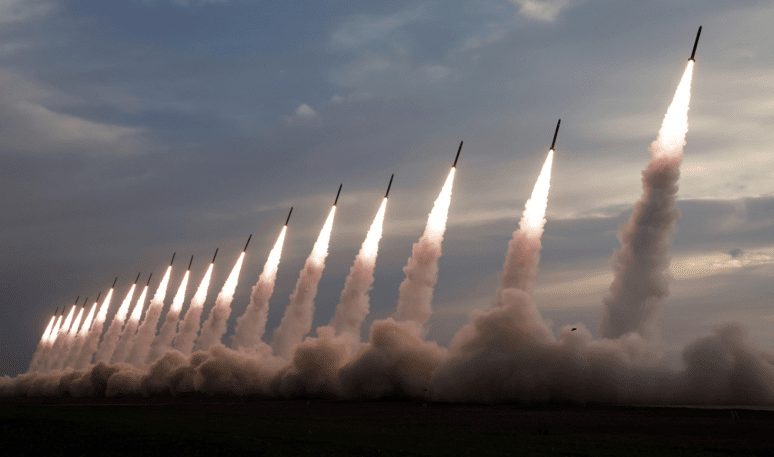
Observers should monitor statements and actions from Iran’s Civil Aviation Organization and military entities regarding potential airspace closures. Key indicators include any new missile drills or military exercises that suggest escalated tensions. Additionally, diplomatic engagements between the U.S. and Iran, as well as reports from international humanitarian organizations, could offer insights into the regime’s stability and potential shifts in market pricing. The response from neighboring countries and international bodies will also be critical in assessing the broader geopolitical impact.
Get prediction market intelligence as a structured API feed. Early access waitlist.
About Author